
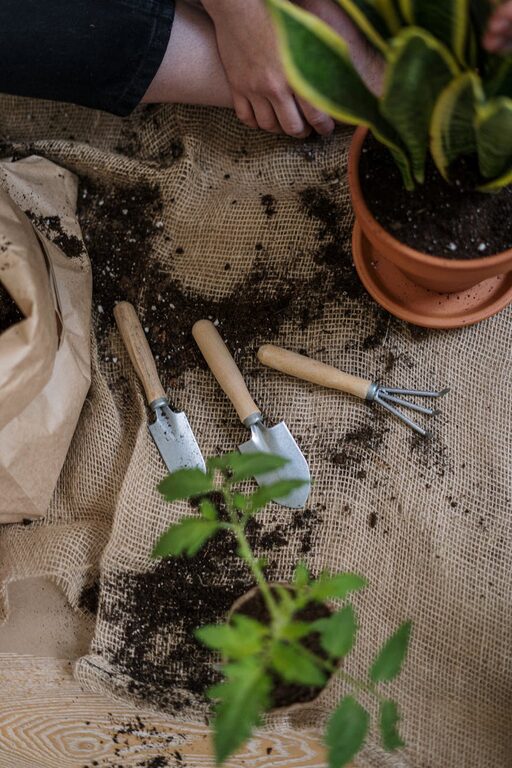
Creating a sustainable garden at home is a rewarding way to support the environment while enjoying the benefits of fresh air, beauty, and homegrown produce. Sustainability in gardening means making choices that conserve resources, reduce waste, and promote biodiversity. Whether you have a sprawling backyard or a small balcony, you can adopt practices that make your garden eco-friendly and resilient.
In this post, we’ll guide you through practical tips to design and maintain a sustainable garden that thrives naturally and helps the planet.
What is a Sustainable Garden?
A sustainable garden is one that works in harmony with nature. It reduces reliance on chemicals, conserves water, encourages local wildlife, and focuses on recycling organic materials. Rather than forcing plants to grow under unnatural conditions, it supports the natural ecosystem around you.
Benefits of a Sustainable Garden
– Saves water and reduces waste.
– Creates habitat for bees, butterflies, and birds.
– Reduces pollution from pesticides and fertilizers.
– Produces healthier plants and crops.
– Lowers your gardening costs.
Now let’s explore how you can put these ideas into practice.
1. Choose Native and Drought-Tolerant Plants
Using native plants in your garden is a key step toward sustainability. These plants are adapted to your local climate, which means they require less water, fertilizer, and maintenance. Native species also provide natural food and shelter for local wildlife.
Additionally, incorporating drought-tolerant plants can help save water, especially in areas prone to dry seasons. Succulents, lavender, ornamental grasses, and some herbs are great examples.
Tips for selecting plants:
– Research plants native to your region.
– Mix flowering plants with evergreen varieties for year-round interest.
– Include plants with different bloom times to support pollinators throughout the seasons.
2. Practice Efficient Watering Techniques
Water conservation is essential in sustainable gardening. Here are some ways to use water wisely:
– Use drip irrigation or soaker hoses: These deliver water directly to the roots where it’s needed most, minimizing evaporation.
– Water early in the morning or late in the evening: This reduces water loss due to heat.
– Collect rainwater: Set up rain barrels or other collection systems to capture rainwater for garden use.
– Mulch your soil: Mulching helps retain soil moisture and suppress weeds.
3. Build Healthy Soil with Composting
Healthy soil is the foundation of a thriving garden. Instead of relying on chemical fertilizers, composting allows you to recycle kitchen scraps and yard waste into nutrient-rich soil amendments.
How to get started with composting:
– Use a compost bin or create a pile in a shaded spot.
– Add a balance of green materials (fruit peels, grass clippings) and brown materials (dry leaves, cardboard).
– Turn the pile regularly to speed up decomposition.
– Avoid adding meat, dairy, or oily foods that attract pests.
Compost improves soil structure, increases water retention, and supports beneficial microorganisms.
4. Promote Biodiversity by Attracting Wildlife
A sustainable garden supports a variety of living creatures, which contribute to a natural balance. Birds, bees, ladybugs, and butterflies all play roles in pollination and pest control.
Ways to attract wildlife:
– Plant a variety of flowers with different colors, shapes, and scents.
– Include plants that produce berries or seeds for birds.
– Create habitat features like birdhouses, bee hotels, or small water sources.
– Avoid pesticides that harm beneficial insects.
5. Minimize Lawn Areas and Use Ground Covers
Lawns often require significant amounts of water, fertilizer, and mowing. Reducing lawn size and replacing areas with ground covers or native plants can lower maintenance and resource use.
Consider these alternatives:
– Plant clover or moss for green coverage that requires less water.
– Use drought-tolerant or shade-loving ground covers in tricky spots.
– Create garden beds or paths where grass struggles to grow.
6. Use Sustainable Garden Materials
When adding structures or pathways, choose materials that are durable and eco-friendly.
– Use reclaimed wood, natural stone, or recycled materials.
– Avoid plastics or treated wood that can release harmful chemicals.
– Use permeable pavers to allow rainwater to soak into the soil.
7. Control Weeds and Pests Naturally
Chemical herbicides and pesticides can harm the environment and beneficial insects. Instead, try natural methods:
– Hand-pull weeds and use mulch to prevent their growth.
– Introduce companion planting to deter pests. For example, marigolds can repel some insects.
– Encourage beneficial insects like ladybugs and predatory wasps to control pest populations.
8. Plan for Seasonal Changes and Crop Rotation
If you grow vegetables or herbs, planning your planting schedule can improve soil health and yields.
– Rotate crops yearly to prevent soil depletion and reduce pest buildup.
– Incorporate cover crops, such as clover or rye, to enrich soil during off-seasons.
– Plant cover crops that fix nitrogen naturally rather than relying on synthetic fertilizers.
—
Final Thoughts
Creating a sustainable garden is about thoughtful choices and ongoing care. By selecting native plants, conserving water, enriching soil naturally, and nurturing biodiversity, you help protect our planet while enjoying a beautiful and productive garden.
Start small, try a few of the tips above, and watch your garden flourish in harmony with nature. Over time, your efforts will grow into a thriving outdoor space that benefits both you and the environment. Happy gardening!