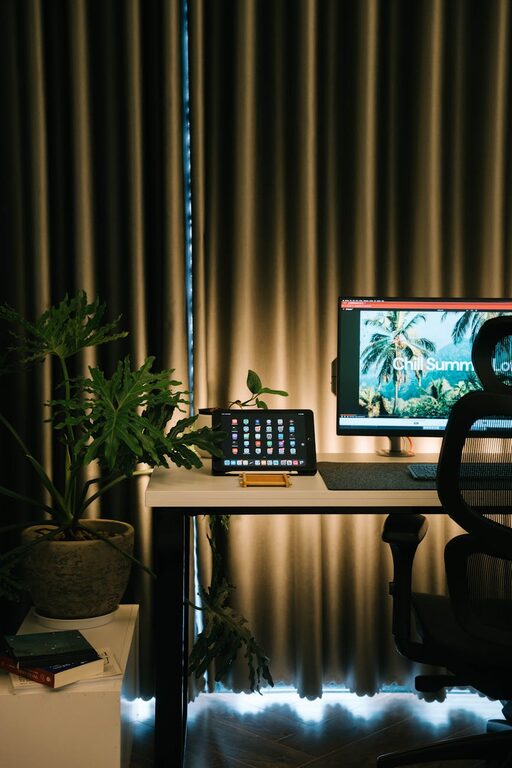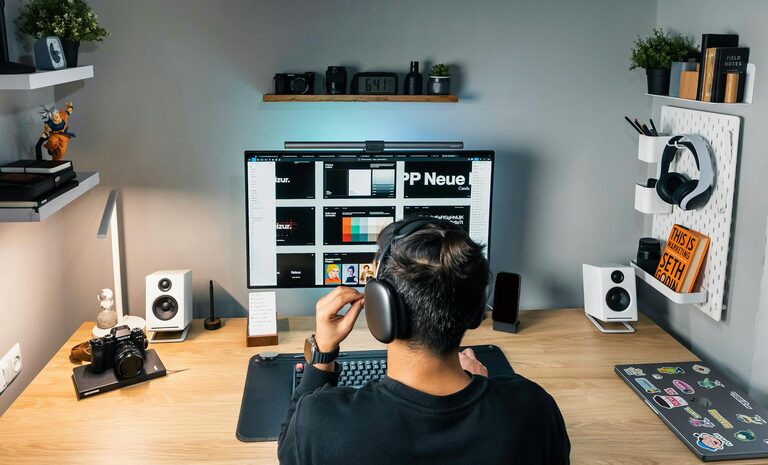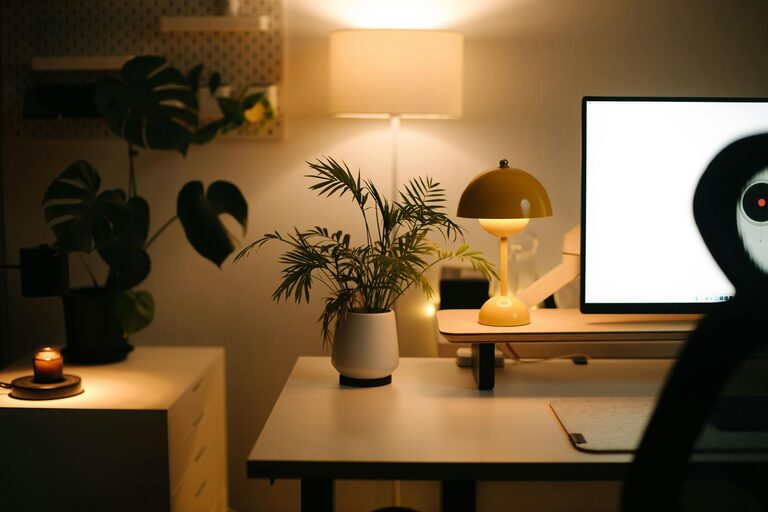
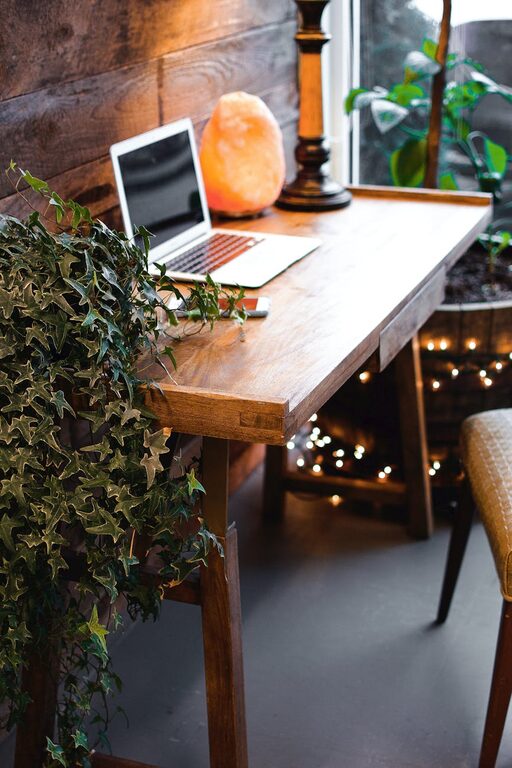
Creating a cozy and inviting home workspace is essential for staying motivated and focused, especially when working remotely or pursuing creative projects. A well-designed workspace can improve your mood, productivity, and overall well-being. Whether you have a dedicated room or a small corner in your home, transforming it into a warm and welcoming environment is easier than you might think. This guide offers helpful tips and ideas to make your home office both functional and inviting.
1. Choose the Right Location
Selecting the best spot for your workspace sets the foundation for comfort and focus. Consider these factors:
– Natural light: Position your desk near a window if possible. Natural light reduces eye strain and boosts energy.
– Quiet environment: Find a place with minimal distractions for better concentration.
– Ventilation: Fresh air circulation helps maintain alertness throughout the day.
– Space availability: Ensure there’s enough room for your desk, chair, and storage needs.
If space is tight, a corner in the living room or bedroom can work perfectly with smart arrangements.
2. Invest in Comfortable and Ergonomic Furniture
Your comfort matters a lot when spending hours working. Focus on:
– Ergonomic chair: Choose a chair that supports your back and encourages good posture.
– Desk height: Use a desk that fits your body height or an adjustable one for flexibility.
– Desk organization: Keep your surface neat to avoid clutter and distractions.
Adding a footrest or cushions can also enhance comfort during long sessions.
3. Personalize Your Space with Warm and Inviting Elements
Adding personal touches can make your workspace feel cozy and encourage creativity. Some ideas include:
– Soft textiles: Add a throw blanket or plush cushions to your chair.
– Plants: Indoor plants add a touch of nature, improve air quality, and create a calming atmosphere.
– Artwork and photos: Hang pictures or artworks that inspire you and add personality.
– Warm lighting: Use desk lamps or string lights with warm tones instead of harsh overhead lighting.
Balancing functionality with aesthetic appeal helps you enjoy your workspace.
4. Optimize Lighting for Comfort and Focus
Lighting plays a crucial role in how comfortable your workspace feels.
– Natural daylight: Maximize exposure to daylight by keeping windows unobstructed during working hours.
– Task lighting: Use adjustable desk lamps for focused lighting on your work area.
– Ambient lighting: Consider lamps that emit a soft, diffused glow to reduce eye strain.
Avoid glare on screens by positioning your computer away from direct sunlight.
5. Keep Your Workspace Organized
An organized environment reduces stress and increases efficiency. Tips to keep it tidy:
– Use storage solutions: Shelves, drawers, and desk organizers help contain clutter.
– Cable management: Use clips, ties, or cable boxes to keep cables neat.
– Daily tidying: Spend a few minutes at the end of each workday clearing your desk.
– Minimal essentials: Keep only necessary items on your desk and store the rest.
A clutter-free space clears your mind and promotes productivity.
6. Incorporate Calming Colors and Textures
Colors and textures impact your mood and focus. Consider these points:
– Color palette: Choose soothing colors like soft blues, greens, or neutrals for walls and decor.
– Textures: Mix textures like wood, wool, or cotton to add warmth without overwhelming.
– Avoid bright, harsh colors: These can cause distraction or fatigue.
Pick a color scheme that makes you feel relaxed and focused.
7. Use Technology Wisely
Your home workspace relies on technology but try to keep it organized and minimal.
– Wireless gadgets: Use wireless keyboards and mice to reduce cable clutter.
– Headphones: Noise-cancelling headphones can enhance focus in noisy environments.
– Monitor stands: Elevate your screen for better posture and desk space.
Regularly update software and devices to avoid interruptions and frustration.
8. Create Zones for Different Tasks (If Space Allows)
If your workspace is larger, divide it into functional zones:
– Work zone: Desk, computer, and main work equipment.
– Reading zone: Comfortable chair or nook with good lighting for breaks or reference materials.
– Inspiration zone: A place for brainstorming, with whiteboards or mood boards.
Zones help you stay organized and mentally switch between tasks easily.
9. Set Boundaries for Work-Life Balance
A cozy workspace should also support a healthy work-life balance.
– Start and end rituals: Use your workspace setup to mark the beginning and end of your workday.
– Avoid workspace overuse: Keep work materials contained to your workspace to prevent spillover.
– Break spaces: Step away from your workspace regularly to recharge.
Setting boundaries helps maintain comfort and productivity.
Conclusion
Designing a cozy and inviting home workspace involves combining comfort, organization, and personal style. By choosing the right location, investing in ergonomic furniture, optimizing lighting, and keeping clutter under control, you can create a space that encourages focus and creativity. Personal touches like plants, warm colors, and soft textures make the area welcoming, enhancing your daily work experience. With these tips, your home workspace can become a place you look forward to spending time in, every day.
—
Making small changes gradually can transform your workspace into a cozy haven. Enjoy crafting a space that’s truly your own!