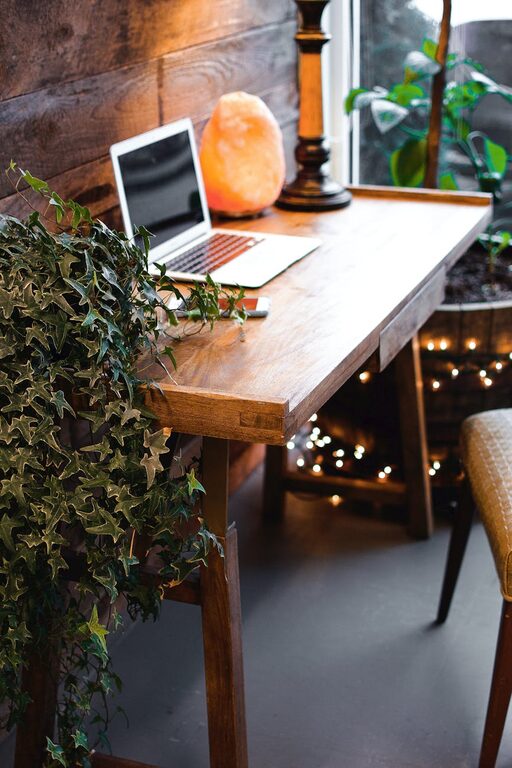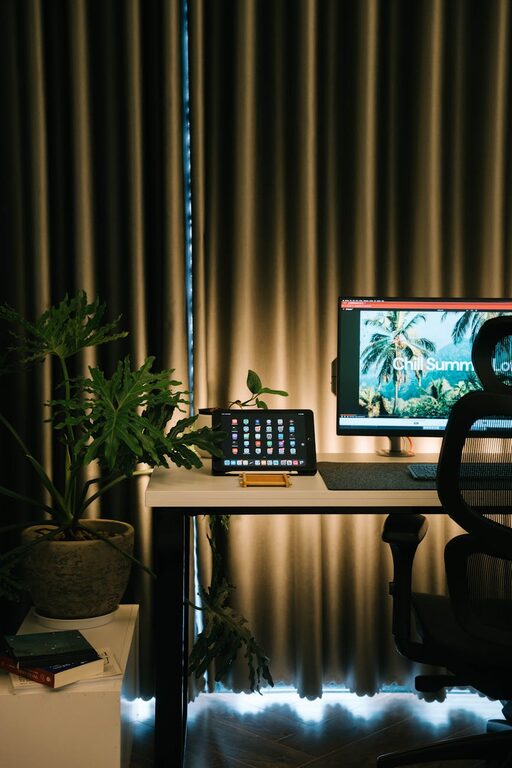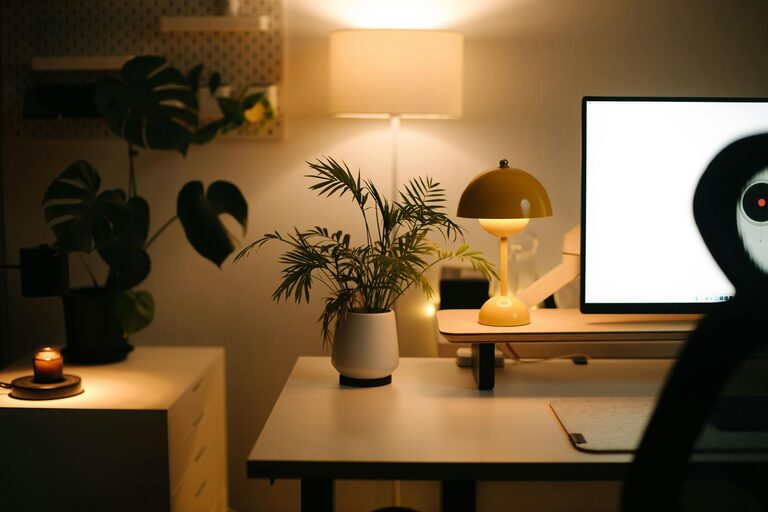
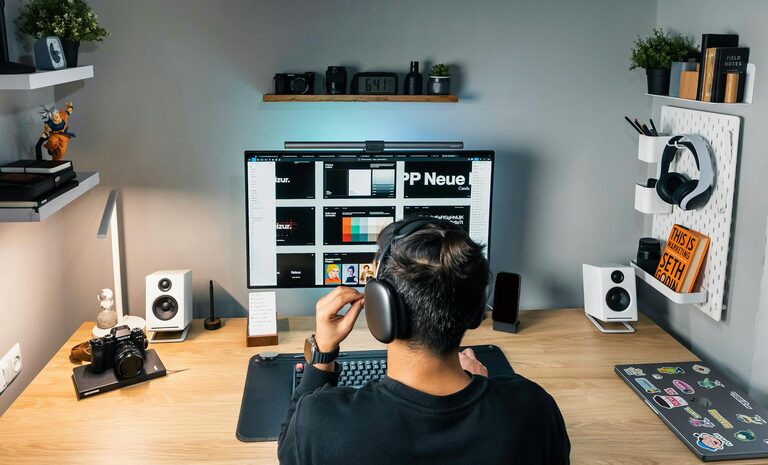
Creating a home office that is both comfortable and productive can significantly improve your work-from-home experience. Whether you’re new to remote work or looking to refresh your current setup, thoughtful planning and design can make all the difference. In this post, we’ll explore practical tips to help you build a home office space that supports focus, creativity, and well-being.
Choose the Right Location
Selecting the best spot for your home office is a crucial first step. Consider these factors:
– Quietness: Pick a quiet area away from household traffic and noise, such as a spare room or a less-used corner.
– Natural Light: Work near a window if possible. Natural light boosts mood and reduces eye strain.
– Space: Ensure there’s enough room for your desk, chair, and storage without feeling cramped.
Invest in Ergonomic Furniture
Comfort is key to maintaining productivity, especially during long work hours.
– Chair: Choose an ergonomic chair with lumbar support to protect your back.
– Desk: Opt for a desk at the right height to keep your arms at a 90-degree angle while typing.
– Adjustable Options: Consider a sit-stand desk to alternate between sitting and standing.
Organize Your Workspace
A tidy workspace helps minimize distractions and enhances focus.
– Storage Solutions: Use shelves, filing cabinets, or drawer organizers to keep documents and supplies orderly.
– Cable Management: Use clips or sleeves to manage cords and prevent clutter.
– Minimal Decor: Keep personal items and decorations to a minimum, so your space feels calm and professional.
Optimize Lighting
Proper lighting reduces eye strain and helps maintain alertness.
– Task Lighting: Add a desk lamp for focused lighting on your work surface.
– Ambient Lighting: Combine overhead lights with natural light to create balanced illumination.
– Avoid Glare: Position screens and lights to prevent glare on your monitor.
Personalize Mindfully
Adding personal touches can make your home office inviting without being distracting.
– Plants: Add a small indoor plant to bring freshness and improve air quality.
– Artwork: Hang inspiring artwork or motivational quotes.
– Color: Choose calming colors like blues or greens to promote concentration.
Manage Noise and Distractions
Keeping distractions at bay helps you stay productive.
– Noise-Canceling Headphones: Use these to block background noise.
– White Noise Machines: Consider using white noise or ambient sound apps.
– Set Boundaries: Inform family or housemates of your working hours to minimize interruptions.
Technology Tips
Make sure your tech supports your workflow efficiently.
– High-Speed Internet: Reliable internet is essential for video calls and online tasks.
– Second Monitor: Consider a second screen to increase screen real estate and multitasking ability.
– Keyboard and Mouse: Ergonomic keyboard and mouse can reduce strain on your hands and wrists.
Establish a Routine
A structured routine helps maintain work-life balance.
– Start and End Times: Set clear working hours.
– Breaks: Take regular breaks to stretch and rest your eyes.
– Work Zones: Use your home office only for work to mentally separate work from leisure.
Maintain Good Air Quality and Temperature
A comfortable environment can prevent fatigue and keep you alert.
– Ventilation: Open a window or use an air purifier for fresh air.
– Temperature Control: Use fans, heaters, or air conditioning as needed to maintain a comfortable temperature.
Final Thoughts
Creating a comfortable and productive home office is about blending functionality with personal comfort. By carefully selecting your space, furniture, and accessories, you can design a workplace that inspires focus and creativity every day. Remember that small changes can make a big difference, so start with one or two tips and adjust as you go. With the right setup, your home office will become a place where work feels less like a chore and more like a productive, enjoyable part of your day.