
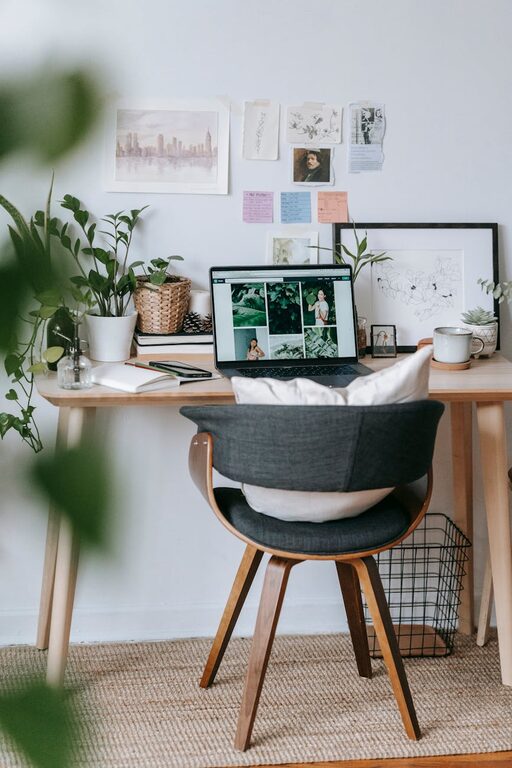
Creating a relaxing home workspace is essential for maintaining productivity and comfort, especially for those working remotely or spending significant time on tasks at home. An environment that supports your work style can help reduce stress, increase focus, and improve overall well-being. This guide offers helpful tips for setting up a home office that feels inviting and efficient.
Why a Relaxing Workspace Matters
Working from home offers flexibility but also challenges, such as distractions and lack of separation between personal and professional life. A thoughtfully arranged workspace can:
– Improve concentration and reduce mental fatigue
– Promote good posture and physical health
– Encourage a positive mindset and creativity
– Help maintain a healthy work-life balance
Choosing the Right Location
Find a Quiet Spot
Select a space in your home that is quiet and has minimal foot traffic. This helps create a sense of separation from daily activities and lets you focus without frequent interruptions.
Consider Natural Light
Natural light boosts mood and energy. Position your desk near a window if possible to take advantage of daylight. If natural light is limited, use soft artificial lighting to avoid eye strain.
Ergonomic Furniture and Layout
Invest in a Comfortable Chair
An ergonomic chair with adjustable height and lumbar support can prevent back and neck pain. Sitting comfortably helps maintain focus and reduces physical discomfort.
Use a Proper Desk
Choose a desk that fits your space and provides ample surface area for your equipment and paperwork. Adjustable desks or sit-stand desks are great options to alternate between sitting and standing throughout the day.
Organize for Efficiency
Keep your workspace tidy and organized. Use storage solutions like shelving, drawers, or desk organizers to store supplies and reduce clutter. An orderly space is less distracting and easier to navigate.
Calming Colors and Decor
Select Soothing Colors
Cool tones like blues, greens, or neutral colors create a calming atmosphere. Avoid overly bright or aggressive colors that may cause restlessness.
Add Personal Touches
Incorporate meaningful decor such as plants, artwork, or photos that inspire or comfort you. Plants can purify the air and add a touch of nature, enhancing relaxation.
Optimize Lighting
Layer Your Lighting
Combine different types of lighting: ambient (general), task (focused), and accent (decorative). A desk lamp with adjustable brightness is helpful for focused tasks.
Reduce Glare and Eye Strain
Position screens to avoid glare from windows or lights. Take regular breaks to rest your eyes and consider blue light filters if you use screens extensively.
Manage Noise and Distractions
Use Noise-Canceling Options
If noise is an issue, try noise-canceling headphones, white noise machines, or soothing background music to mask distractions.
Set Clear Boundaries
Communicate your work hours and space boundaries with household members to minimize interruptions.
Incorporate Comfort and Wellness
Keep Essentials Nearby
Have water, healthy snacks, and anything you frequently need within reach to avoid unnecessary breaks.
Take Breaks and Move
Schedule regular breaks to stretch, walk, or do light exercises. Movement is vital to prevent stiffness and recharge your mind.
Maintain Air Quality and Temperature
Ensure your workspace has good ventilation and comfortable temperature settings to support alertness and comfort.
Technology Setup
Invest in Reliable Equipment
High-quality technology such as a dependable computer, fast internet connection, and ergonomic peripherals can reduce frustration and downtime.
Reduce Cable Clutter
Use cable organizers to keep cords neat and prevent hazards.
Establish a Routine
Create a consistent daily routine by starting and ending your workday at set times. This helps your mind associate your workspace with productivity and promotes balance.
Final Thoughts
Designing a relaxing home workspace requires thoughtful choices tailored to your personal preferences and work needs. By focusing on comfort, organization, lighting, and boundaries, you can build a space where work feels less like a chore and more like a fulfilling experience. A peaceful environment supports your productivity and well-being, making each workday more enjoyable and effective.