
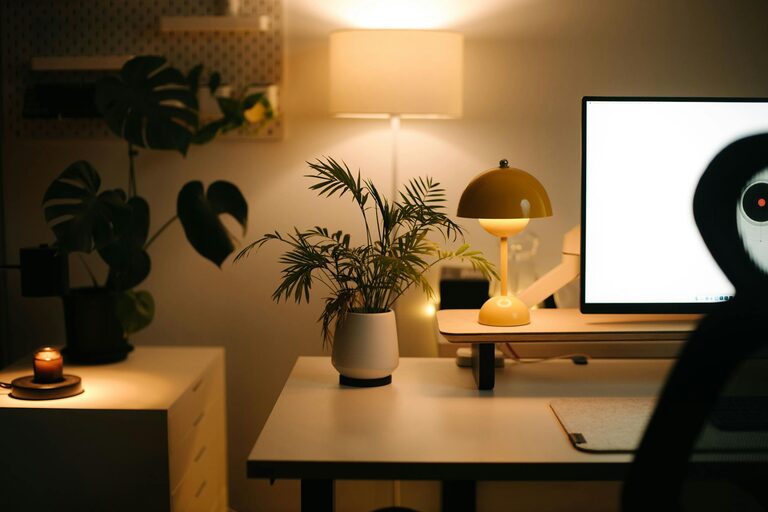
Creating a home office that feels both cozy and productive is essential for anyone working remotely or spending significant time on personal projects. A well-thought-out workspace can improve focus, reduce stress, and make your workday more enjoyable. In this post, we’ll explore practical tips to help you design a home office that is inviting and efficient.
Choose the Right Location
Consider Natural Light
Selecting a spot with plenty of natural light is one of the easiest ways to make your home office cozy. Natural light helps reduce eye strain, improves your mood, and regulates your body’s internal clock, which can boost productivity.
Minimize Distractions
Find a quiet corner or room away from busy areas of your home. Ideally, choose a space where you won’t be interrupted by household noise or frequent foot traffic.
Think About Privacy
If video calls or focused work are part of your routine, consider how private your workspace is. You might want to use room dividers or curtains if your office shares space with other activities.
Invest in Comfortable Furniture
Ergonomic Chair
Since you’ll be sitting for extended periods, invest in a chair that supports good posture. An ergonomic chair with adjustable height, lumbar support, and comfortable cushioning will help prevent back pain.
Desk Size and Shape
Select a desk that fits your available space and meets your needs. A larger desk provides room for multiple monitors and paperwork, while a compact desk suits smaller rooms. Choose a shape (rectangular, L-shaped, or standing desk) that suits your workflow.
Adjustable Options
Consider adjustable desks, including standing desks or convertible models. Changing positions during the day can improve circulation and reduce fatigue.
Organize Your Workspace
Declutter Regularly
Keep only essential items on your desk to avoid distractions. Store supplies and documents in drawers, shelves, or organizers to maintain a tidy environment.
Use Storage Solutions
Incorporate functional storage like filing cabinets, baskets, or wall-mounted shelves. Label boxes or folders to make items easy to find.
Cable Management
Keep cords and cables organized with clips, cable sleeves, or under-desk trays. A neat workspace not only looks better but can prevent accidents and frustration.
Personalize Your Office
Add Plants
Houseplants improve air quality and create a calming environment. Choose easy-to-care-for plants like succulents, pothos, or snake plants.
Use Warm Textiles
Add softness with cushions, rugs, or curtains in warm tones or cozy materials. These touches make the space inviting without sacrificing professionalism.
Display Inspiring Items
Pin motivational quotes, calendars, artwork, or photos to your wall or bulletin board. Surrounding yourself with positive reminders can boost morale during busy days.
Optimize Lighting
Layered Lighting
Combine different sources of light to reduce eye strain and improve ambiance. Use a mix of overhead lights, task lamps, and natural sunlight.
Adjustable Desk Lamp
A lamp with adjustable brightness or color temperature allows you to tailor lighting according to the time of day and task.
Avoid Glare
Position your screen and light sources to prevent glare, which can cause headaches and fatigue.
Enhance Productivity
Establish a Routine
Set regular work hours and use your home office exclusively for work during those times. Establishing routine strengthens the association between the space and productivity.
Minimize Interruptions
Inform family members or roommates about your schedule. Use signs or closed doors to indicate when you are busy.
Use Productivity Tools
Consider planners, apps, or timers to stay focused. The Pomodoro technique, which alternates focused work with short breaks, can be helpful.
Maintain Comfort
Keep Controls Within Reach
Place frequently used items like phones, notebooks, or chargers within arm’s reach to avoid unnecessary movement.
Manage Temperature
Ensure good ventilation or use a fan or heater as needed. Being too hot or cold can quickly become a distraction.
Take Breaks
Make time for short breaks to stand, stretch, and rest your eyes. Movement and mental rest improve overall focus.
—
By carefully designing your home office with these tips, you can create a space that supports focus and reduces stress. A cozy and practical workspace encourages productivity while making your workday more pleasant. Whether you have a dedicated room or a small corner, little adjustments can make a big difference. Happy decorating!